The Skin Glow IV Drip Trend: What It Promises, What It Delivers, and What You Should Know
Can an IV drip improve your skin glow? Explore beauty IV drip claims, glutathione treatments, potential risks and what to ask a healthcare professional.

Your skin looks tired. Your complexion seems dull. And somewhere on social media, someone claims that an IV drip is the secret to brighter, healthier-looking skin. But is a skin glow IV drip really worth the attention it receives?
Beauty trends have always promised shortcuts. From overnight face masks to expensive serums, there is no shortage of products claiming to give your skin that fresh, well-rested glow. Now, IV drips marketed for skin radiance, hydration and even skin lightening have entered the conversation.
The idea sounds appealing: instead of applying products to the surface of your skin, a mixture of vitamins, antioxidants or other nutrients is delivered directly into your bloodstream.
But there is an important distinction between a treatment that sounds scientific and one that has been proven to deliver the results being advertised.
If you have been searching for an IV drip for skin, here is what you should understand about the trend, its potential benefits, its limitations and the questions worth asking before considering treatment.
What Is a Skin Glow IV Drip?
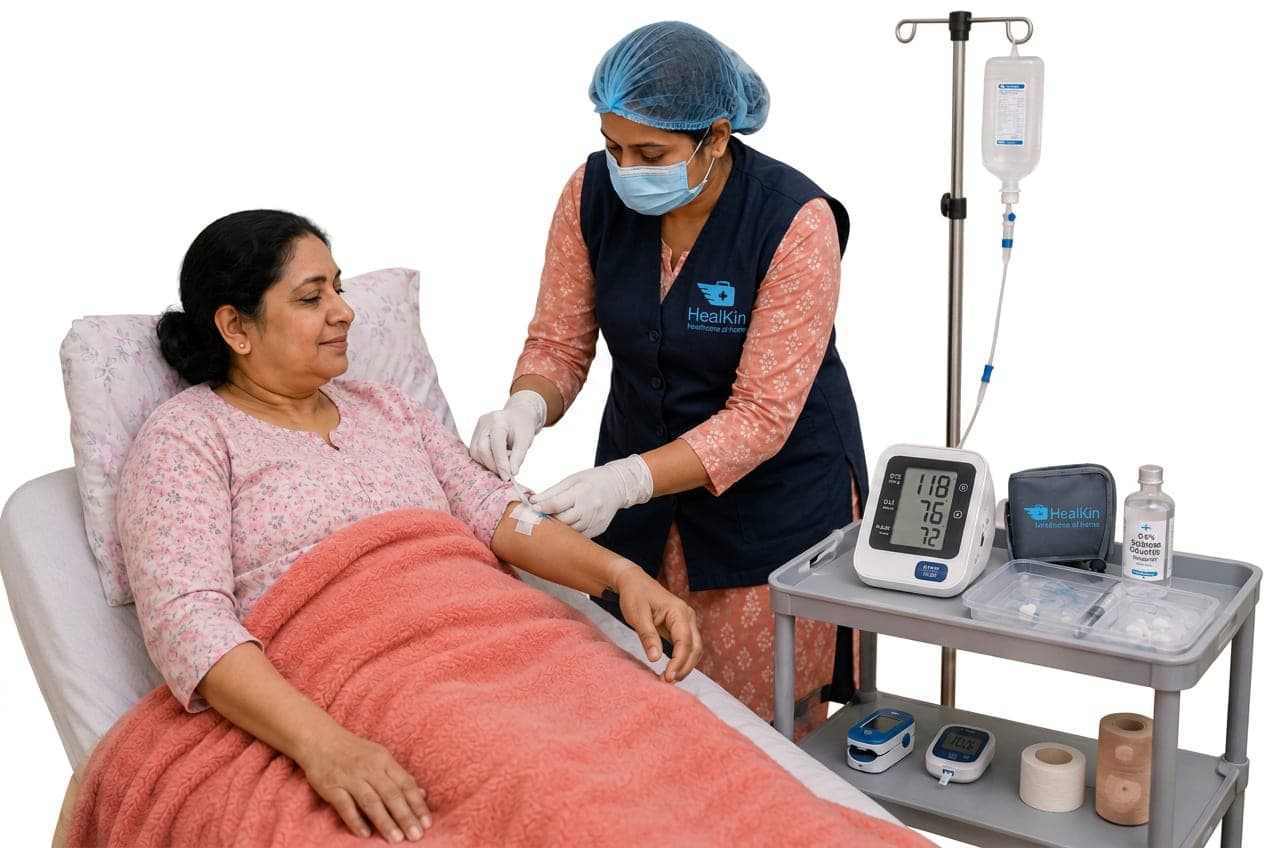
An IV drip, or intravenous infusion, delivers fluid and selected substances directly into a vein. Depending on the formulation and the reason for treatment, an infusion may contain fluids, electrolytes, vitamins or prescribed medicines.
A skin glow IV drip is marketed specifically for cosmetic goals. Some providers promote formulations containing vitamin C, B vitamins, glutathione or other ingredients, claiming they can support hydration, improve radiance or help create a more even-looking complexion.
These products are not all the same. Their ingredients, concentrations, intended uses and safety standards can differ significantly.
The attraction is understandable. When a treatment is described as delivering nutrients straight into the bloodstream, it can sound more effective than taking supplements or following a skincare routine.
However, delivering a nutrient directly into the bloodstream does not automatically mean it will improve your skin's appearance. The outcome depends on the ingredient, the person's health, whether a deficiency exists and whether reliable clinical evidence supports the claimed benefit.
Why Are IV Drips for Glowing Skin Becoming Popular?
1. The promise of a quick glow
Busy schedules, inconsistent sleep and long days can leave people feeling that their skin looks tired. A treatment advertised as a quick route to radiance can seem attractive, especially before a wedding, holiday or important event.
But a promised glow should not be confused with a guaranteed or lasting improvement in skin health.
2. The influence of social media
Beauty and wellness content often highlights personal experiences, dramatic transformations and before-and-after photographs. These posts can create the impression that a treatment works consistently for everyone.
Individual experiences, however, cannot establish whether a treatment caused the change. Lighting, makeup, camera settings, skincare routines and other factors may affect how skin looks in photographs.
3. Interest in antioxidants
Ingredients such as vitamin C and glutathione receive attention because they have biological roles related to antioxidant activity.
That scientific background is real, but the leap from an ingredient's role in the body to a claim that an IV infusion will produce visibly glowing skin requires evidence of its own.
What Does a Skin Glow IV Drip Actually Deliver?
The answer depends on what is in the drip and why it is being administered.
Hydration: Helpful when hydration is genuinely needed
Fluids given intravenously can be medically useful when someone needs fluid replacement and cannot adequately meet that need by drinking. This is different from using an IV infusion as a cosmetic treatment in someone who is already adequately hydrated.
Drinking enough water supports normal bodily functions, but additional IV fluid does not automatically translate into clearer, brighter or younger-looking skin.
For everyday dehydration concerns, the appropriate approach depends on the cause and severity. Severe dehydration or an inability to keep fluids down may require medical assessment rather than a cosmetic wellness treatment.
Vitamins: Essential nutrients, not instant beauty solutions
Vitamins play important roles in normal body function, including processes involved in skin maintenance. Correcting a genuine nutritional deficiency may be important for overall health.
However, there is limited high-quality evidence that vitamin IV therapy provides broad wellness benefits for otherwise healthy people. It should not be assumed to improve skin appearance simply because the infusion contains vitamins. Cleveland Clinic's review of IV vitamin therapy highlights the limited evidence for many advertised benefits and the potential risks: https://health.clevelandclinic.org/iv-vitamin-therapy
If a person has persistent skin concerns, the more useful first step is to identify the cause rather than assume that a nutrient infusion will address it.
Glutathione: The ingredient behind many skin-lightening claims
Glutathione is an antioxidant naturally present in the body. It has attracted attention in the beauty industry because of proposed effects on melanin production, the process involved in skin pigmentation.
It is frequently marketed as an ingredient that can lighten skin or create a brighter complexion when administered intravenously.
The evidence, however, remains limited. Research has not established that IV glutathione is a reliable, safe and lasting cosmetic skin-lightening treatment. A scientific review of glutathione for skin lightening discusses gaps in efficacy and long-term safety data: https://pmc.ncbi.nlm.nih.gov/articles/PMC13580517/
It is therefore important to be cautious about claims promising a particular skin shade, permanent fairness or dramatic results after a fixed number of sessions.
Can an IV Drip Really Make Your Skin Glow?
There is not enough reliable evidence to promise that a cosmetic IV drip will give everyone glowing skin.
Skin appearance is influenced by several factors, including genetics, sun exposure, age, sleep, nutrition, hormones, skincare habits and certain medical conditions.
A person who has a diagnosed nutritional deficiency or requires IV fluids for a medical reason may benefit from appropriate treatment. That does not mean the same infusion will improve the complexion of someone who is otherwise healthy.
· Hydrated-looking skin: Skin may appear less dull when dryness and dehydration are addressed appropriately.
· Healthier skin: Persistent problems may require a diagnosis, suitable skincare or treatment for an underlying condition.
· Lighter skin: Changing natural skin colour is a different goal and should not be presented as a guaranteed outcome of an IV infusion.
No responsible provider should promise flawless skin, permanent fairness or a guaranteed glow based on an IV drip alone.
What About IV Drips for Skin Whitening?
Some beauty treatments are advertised as IV skin-whitening or skin-lightening drips, often involving glutathione and sometimes other ingredients.
This is an area where particular caution is necessary.
The evidence for IV glutathione as a cosmetic skin-lightening treatment is insufficient to establish a dependable benefit. There are also safety concerns associated with injectable products, their preparation and the way they are administered.
The US Food and Drug Administration has reported adverse events linked to compounded IV glutathione products, including reactions consistent with exposure to excessive bacterial endotoxins in affected preparations. These reports highlight why ingredient quality and suitability for injection matter: https://www.fda.gov/drugs/human-drug-compounding/fda-reminds-compounders-not-use-dietary-supplement-grade-glutathione-injectables
A product intended for use as an oral dietary supplement is not automatically suitable for injection. Injectable preparations require appropriate manufacturing, quality controls and sterile handling.
Before considering any treatment marketed for skin whitening, speak with a qualified dermatologist or medical practitioner. Ask about the evidence, the intended use of the product, the potential risks and whether a safer, better-supported alternative exists.
Your natural skin tone is not a medical problem that needs to be corrected.
What Are the Risks of a Beauty IV Drip?
Because an IV drip introduces substances directly into a vein, it should not be treated like an ordinary facial or skincare product.
Potential risks vary according to the ingredients, dose, the person's health and the quality of the preparation and administration.
· Pain, bruising or irritation: The insertion site may become painful, bruised or inflamed.
· Infection: Poor sterile technique or contaminated products can introduce harmful microorganisms or contaminants.
· Allergic or infusion reactions: Certain ingredients may cause unexpected reactions, sometimes serious.
· Fluid or electrolyte complications: IV fluids may be unsuitable for some people, particularly when underlying conditions affect fluid balance.
· Excessive doses or interactions: High doses of vitamins and other substances can cause harm or interact with medicines.
· Organ-related complications: Depending on the substance and dose, certain infusions may pose risks to the kidneys, liver or other organs.
People who are pregnant, have kidney or heart disease, take regular medicines or have other significant health conditions should obtain individual medical advice before considering IV therapy.
Seek urgent medical care if you develop difficulty breathing, swelling of the face or throat, fainting or other severe symptoms during or after an infusion.
The key point is simple: a treatment marketed as natural, vitamin-rich or beauty-focused is not automatically risk-free.
Questions to Ask Before Considering a Skin Glow IV Drip
If a clinic offers a cosmetic infusion, do not feel pressured to book simply because a package is discounted or a particular result is promised.
1. What exactly is in the infusion? Request the full ingredient list, concentrations and intended purpose. Vague descriptions such as “glow formula” or “beauty cocktail” are not enough.
2. What evidence supports the claimed result? Ask whether the specific formulation has credible clinical evidence for the particular skin concern you want to address. Evidence for an ingredient's biological function is not the same as evidence that an IV treatment improves complexion.
3. Who will assess and administer the treatment? Confirm that a qualified medical professional evaluates your suitability and that administration takes place under appropriate clinical supervision.
4. Is the product suitable for intravenous use? Ask about its source, quality controls, sterility and suitability for injection. Products intended for oral use should not be assumed to be safe for intravenous administration.
5. What are the possible side effects and alternatives? A proper discussion should include the risks, expected benefits, uncertainty, costs and other options—not just the promised outcome.
6. What happens if something goes wrong? The provider should have appropriate procedures, equipment and trained personnel to respond to an adverse reaction.
If you cannot get clear answers, it is reasonable to postpone treatment and seek a second opinion.
What Can You Do Instead for Healthier-Looking Skin?
If your goal is a fresher, healthier-looking complexion, you do not necessarily need an IV treatment. A consistent routine and an accurate understanding of your skin concern are often more useful starting points.
Build a simple skincare routine
Use a gentle cleanser, a moisturiser suited to your skin type and broad-spectrum sunscreen during the day. Sun protection helps limit UV-related skin damage and the worsening of pigmentation.
Pay attention to nutrition and hydration
Eat a varied, balanced diet and drink fluids regularly. If you suspect a nutritional deficiency, discuss appropriate assessment with a healthcare professional instead of taking high-dose supplements or infusions without guidance.
Give your skin time to respond
Many skincare changes take weeks rather than hours. Avoid combining multiple strong products or changing your entire routine at once, especially if your skin is sensitive.
Get persistent concerns assessed
If you are dealing with acne, pigmentation, unusual dryness, persistent dullness or a sudden change in skin appearance, a dermatologist can help identify possible causes and recommend suitable treatment.
The best approach depends on what is actually happening with your skin—not on which beauty trend is currently popular.
Frequently Asked Questions
Is an IV drip for skin glow effective?
There is insufficient high-quality evidence to guarantee that cosmetic IV drips improve skin glow in otherwise healthy people. Benefits depend on the ingredients, the individual's circumstances and the specific treatment being considered.
How long does a skin glow IV drip take to show results?
There is no scientifically established timeline for reliable cosmetic results from skin glow IV drips. Be cautious of providers who promise visible changes within a fixed number of hours or sessions.
Is a glutathione IV drip safe for skin whitening?
IV glutathione has not been established as a reliably safe and effective cosmetic skin-whitening treatment. Injectable products can carry serious risks, including problems related to product quality and administration. Discuss alternatives with a qualified dermatologist.
Can I get a skin glow IV drip at home?
Some healthcare providers offer medically indicated IV therapy at home, but that does not mean every cosmetic infusion is appropriate for home administration. Suitability, the specific product, clinical supervision and emergency arrangements must be assessed. Do not assume that a general home IV service offers cosmetic skin treatments; confirm the service and its medical indications directly.
Is an IV drip better than oral vitamins for skin?
Not necessarily. IV delivery places nutrients directly into the bloodstream, but this does not prove superior cosmetic results. The appropriate route depends on the medical need, the nutrient involved and professional advice.
What is the safest way to improve dull-looking skin?
Start with sun protection, gentle skincare, adequate nutrition and hydration. If dullness or pigmentation persists, seek a dermatologist's advice to identify the cause and discuss evidence-based options.
Conclusion
The skin glow IV drip trend combines genuine scientific concepts such as hydration, vitamins and antioxidants with cosmetic claims that are not always supported by strong evidence.
An IV infusion can be valuable when it is medically indicated. But that is very different from assuming it is a shortcut to glowing skin, a guaranteed solution for dullness or a safe way to lighten your complexion.
Before considering a beauty IV drip, understand its ingredients, ask about the evidence, discuss your health history with a qualified professional and weigh the potential risks against realistic benefits.
Healthy-looking skin is not about chasing every new treatment. It is about understanding your skin, choosing appropriate care and making decisions based on evidence rather than promises.
Medical disclaimer:
This article is for general educational purposes only and is not a substitute for personalised medical advice, diagnosis or treatment. Consult a qualified healthcare professional before undergoing IV therapy or using injectable products for cosmetic purposes.