Ward boy, sister, aaya — what each name means
Families ask for the title they met on the hospital ward, and the titles do not all mean the same thing. Here is what each one is asking for, and who we send for it.
Ward boy
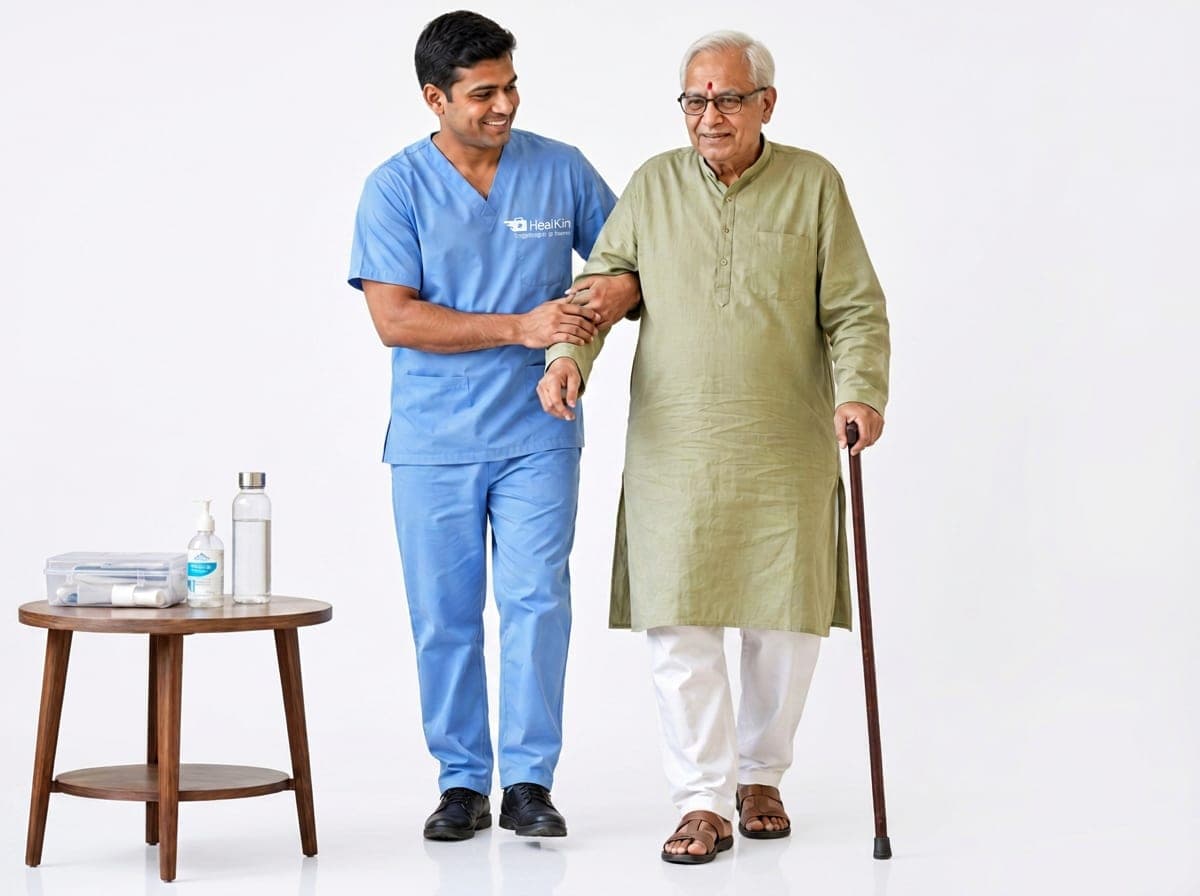
On a hospital ward, the man who lifts and shifts the patient, wheels them to the OT and changes soiled bedding. Families ask for the same pair of hands at home, usually for someone who can no longer be moved by one person.
What we send: A male nurse attendant, trained in transfers, positioning and hygiene. Say you want a man when you book and we roster it that way.
Ward girl, ward aaya
The same work done by a woman. For a female patient most families want a woman, and for bathing and toileting nearly all of them do.
What we send: A female nurse attendant. For a female patient that is what we send unless you ask otherwise.
Sister, nursing sister
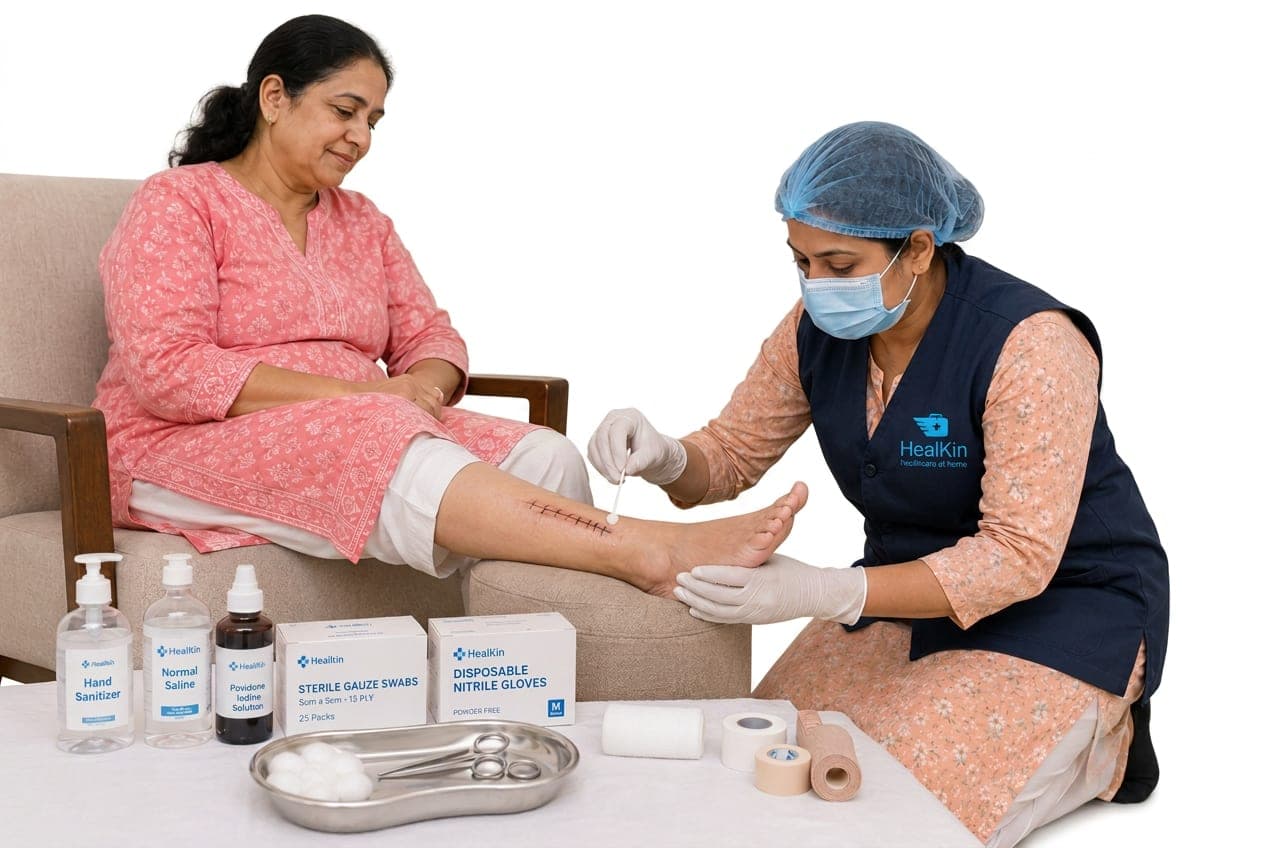
How most of India addresses a nurse. A family asking for a sister means the qualified one — dressings, injections, drips — not only the lifting and bathing.
What we send: A qualified nurse rather than an attendant. Wound dressings, catheters, Ryle's and PEG feeds, prescribed injections and IV lines are all this tier.
Aaya, ayah, maushi
The woman who bathes, feeds, changes and sits with the patient — through the day, or right through the night.
What we send: A female attendant, on a single visit or on a 12- or 24-hour shift, depending on how much of the day is uncovered.
Hospital bai, nursing bai
Usually meant as help with the hardest part of an illness to ask about — sponge baths, diapers, soiled sheets.
What we send: An attendant does all of that for the patient, and the linen around them. Cooking, house cleaning and family laundry are not work our staff take on, and we would rather say so before you book than after.
Patient attendant, caretaker, bystander
The person who stays with the patient so the family can sleep, go to work, or travel — turning them, watching them, and calling you when something changes.
What we send: An attendant on a 12- or 24-hour shift. Over a run of days we hold the same person across the block wherever the roster allows, because continuity matters more to an elderly patient than almost anything else.
Nurse attendant, GDA
The formal name for everything above. A General Duty Assistant is trained in transfers, hygiene, feeding and vitals, and works to a nurse's instructions.
What we send: This is the tier most home care actually needs, and the one our bedside visits are built around. It is also the cheaper of the two.
Home nurse, private nurse, duty nurse
A nurse posted to your house instead of to a ward — after an operation, after a stroke, or for a patient on a tube feed, a catheter or oxygen.
What we send: A qualified nurse on a 12- or 24-hour shift, or on single visits where the clinical task is a short one.