Monsoon Care for Little Lungs: Your Complete Guide to Nebulization & Home Respiratory Support in Mumbai
Mumbai's monsoon can be difficult for children with cough, wheezing or breathing problems. Learn when nebulization may help, how home respiratory support works, warning signs that need urgent attention, and practical ways to keep little lungs healthier during the rainy season.
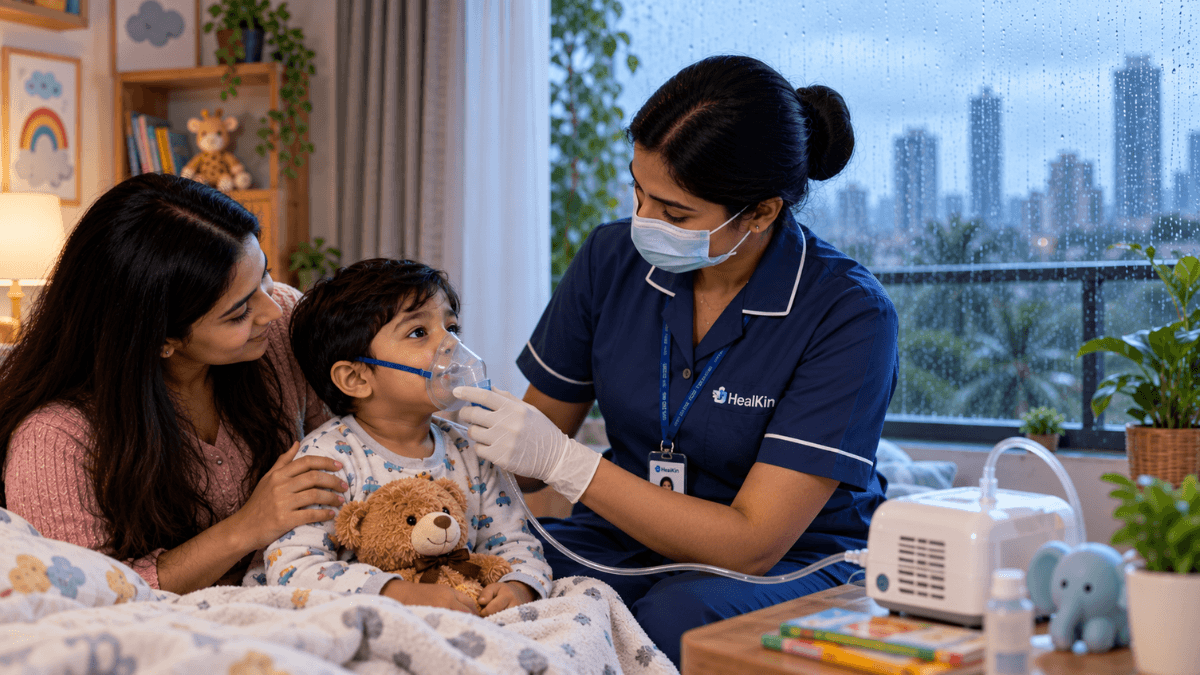
Mumbai’s first few raindrops of the monsoon are a welcome relief after the heat of the past few months. But for parents of small children, the season also means a time of increased vigilance. The city’s humidity and dampness are its trademark and create an ideal environment for respiratory infections to thrive. So, it’s essential to know how to protect your child’s lungs and when to seek professional respiratory help.
Why the Mumbai Monsoon Challenges Little Lungs
Monsoon season in Mumbai makes the city a humid, damp place where viruses and bacteria thrive. Young children under five are especially at risk because their immune systems are not yet developed, their airways are narrower and more easily blocked by mucus and they spend a lot of time in crowded places such as schools and nurseries.
The humidity swells the linings of the airway, making it more difficult for the little ones who are already having trouble breathing. Common respiratory problems around now include bronchitis, asthma attacks and infections that lead to persistent coughing and trouble breathing .
Health experts advise parents to monitor their children closely and to seek medical advice if symptoms are severe, persistent or worsening, as early medical attention can avert serious complications.
Recognizing Respiratory Distress: When to Act Immediately
Most childhood coughs and colds improve with rest and fluids, but parents must know the warning signs that require immediate medical attention:
Rapid breathing faster than normal for the child's age
Chest or ribs pulling in with each breath
Flaring nostrils with every breath
Grunting sounds with each exhale
Bluish lips or face indicating dangerously low oxygen
Inability to drink or appearing extremely weak or sleepy
Young children deserve particular attention because they cannot always communicate how unwell they feel. If your child shows any of these signs, don't hesitate to seek emergency care.
Understanding Nebulization and How It Helps
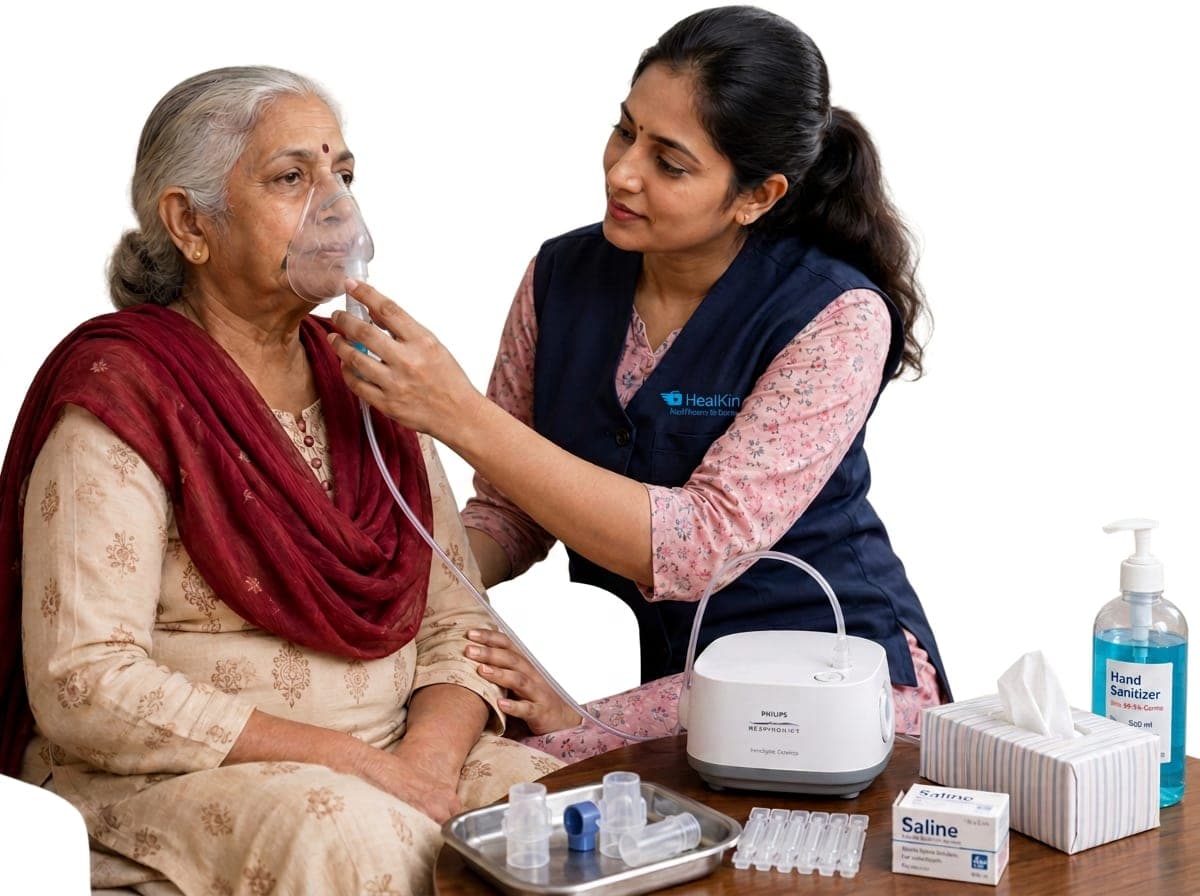
A nebulizer is a medical device that transforms liquid medication into a fine mist that can be inhaled directly into the lungs. This is often more effective than oral medications for respiratory conditions because the medicine goes straight to the source of the problem.
A standard home nebulizer kit typically includes:
An air compressor that powers the device
A transparent medicine chamber (usually 8ml capacity) to monitor medication levels
An air tube connecting the compressor to the mask or mouthpiece
Multiple masks - typically one for adults and one sized specifically for children
The nebulizer works by creating tiny aerosol droplets—ideally 1 to 5 micrometers in size—which can penetrate the deep, narrow airways of the lungs. For effective treatment, it's essential to use the child-sized mask for younger children to ensure proper fit and medication delivery. The components are detachable and should be cleaned after every use to prevent bacterial growth .
How Home Respiratory Support Services Help Mumbai Families
Mumbai parents often face a dilemma: rushing a sick child to a crowded hospital clinic can be exhausting and may expose them to other infections. Professional home respiratory support services offer a practical solution.
A doctor's home visit can assess your child's condition right in your living room. For many respiratory infections—like colds, bronchitis, or an asthma flare that simply needs a nebulizer rather than a hospital bed—home care is an excellent option .
Services like Healkin can arrange for a doctor to visit your home, prescribe appropriate medication, and have a trained nurse administer the nebulization on the same call. If additional tests are needed, blood work, ECG, or X-rays can often be arranged at home as well .
Important Safety Note
While home care is convenient, parents must recognize its limits. Home nebulization is for managing stable conditions, not for emergencies. If your child shows signs of severe respiratory distress—extreme breathlessness, lethargy, or bluish lips—this is an emergency requiring an immediate visit to the nearest hospital .
Preventing Respiratory Illnesses: Practical Monsoon Tips
Prevention is always better than cure. Health authorities recommend these habits to protect children during the monsoon:
Safe Drinking Water and Hygiene
Ensure children drink boiled and cooled water to prevent waterborne diseases
Practice regular handwashing before eating and after using the toilet
Teach proper coughing etiquette—cover mouth and nose with a tissue or elbow
Home Environment
Keep indoor spaces well-ventilated by opening windows for at least 30 minutes daily
Maintain dry and clean surroundings—dampness promotes mold and allergens
Use mosquito nets and repellents to protect against diseases that cause fever and breathing issues
Diet and Immunity
Dress children in cotton clothes that are comfortable and quick-drying
Focus on homemade, nutritious food to strengthen immunity
Avoid street food and heavily fried items during the monsoon
Vaccination
Consult your pediatrician about flu vaccination, which provides protection against common seasonal influenza strains
Stay up-to-date with all routine childhood immunizations
When to Call a Professional
If your child develops a fever lasting more than 2-3 days, has a persistent cough, or shows any breathing difficulty, do not delay seeking medical advice. Professional home healthcare services offer convenient access to doctors who can assess your child and recommend appropriate treatment, including nebulization if needed. Never self-medicate with antibiotics or other drugs without medical supervision.
Frequently Asked Questions
How can I book home nebulization in Mumbai?
Booking a home nebulization service is usually simple. You can contact the healthcare provider by phone or submit a request online. If a doctor’s assessment is needed, you can also arrange a home consultation, after which the doctor may recommend and arrange nebulization treatment
Is nebulization at home safe for infants?
Home nebulization can be safe for infants when it has been recommended by a doctor and is given correctly. Use an appropriately sized child mask, follow the prescribed medicine and dosage, and clean the nebulizer properly after every use.
Which conditions can be treated with nebulization at home?
Nebulization may be recommended for several breathing-related conditions, including asthma, bronchitis, respiratory infections, COPD flare-ups, allergic breathing problems, and persistent cough following a viral infection. The treatment should be used according to a doctor's advice.
Can a doctor prescribe medication during a home visit?
Yes. During a home visit, the doctor can examine the patient, understand the symptoms, and recommend suitable treatment. If required, they may prescribe nebulization medication, other medicines, or additional tests.
What is the difference between a nebulizer and an inhaler?
A nebulizer turns liquid medicine into a fine mist that can be inhaled through a mask or mouthpiece. This can be particularly convenient for young children because they can breathe normally during the treatment. With a metered-dose inhaler, the patient needs to coordinate breathing with the release of the medicine, although spacer devices can make inhalers easier for children to use.
Do I need to keep a nebulizer at home?
It is best to purchase a nebulizer only if your doctor recommends one. For children or adults who regularly experience breathing problems, having a nebulizer at home may be useful. However, you should be shown how to use and clean the device and understand when nebulization is actually needed.
What is the cost of home nebulization in Mumbai?
The price can differ depending on the type of care required. Factors such as a doctor's consultation, prescribed medication, and the number of sessions can affect the overall cost. It is best to contact the healthcare provider for the current charges and a quote based on your requirements.
Will my health insurance cover home nebulization?
Insurance coverage varies from one policy to another. Some plans may cover home healthcare services under specific conditions, while others may not. Check your policy or speak with your insurer, and ask the healthcare provider whether they can supply the documents required for an insurance claim.
When should I seek emergency medical care instead of choosing home nebulization?
Home nebulization should not be used as a substitute for emergency treatment when someone is seriously unwell. Seek immediate medical attention if your child is struggling severely to breathe, develops bluish lips or face, becomes unusually sleepy or difficult to wake, cannot drink fluids, or has other signs of serious illness. If a fever continues or the child's condition is getting worse, contact a doctor promptly rather than relying only on home nebulization.
Conclusion
The Mumbai monsoon doesn't have to be a season of fear for parents. By understanding the risks, recognizing early warning signs, and knowing when to seek home-based respiratory support, you can protect your little one's lungs and ensure a healthier rainy season.
Prevention through hygiene, proper nutrition, and a clean home environment is your first line of defense. When your child does fall ill, professional home nebulization and respiratory support can provide timely, compassionate care without the stress of hospital visits. Remember, when in doubt, trust your instincts and consult a healthcare professional—because when it comes to your child's breathing, every moment matters.
For personalized guidance or to book a home nebulization service in Mumbai, contact Healkin directly. Our trained professionals are here to support your family's respiratory health needs, right at your doorstep.