
Vitamin B12 and Vitamin D Injection at Home: Why the Report Isn't the Prescription
A low B12 or vitamin D report is the reason for a shot, not permission to arrange one yourself. Here is why both still need a prescription and usually a test first, and what a chemist-counter injection risks.
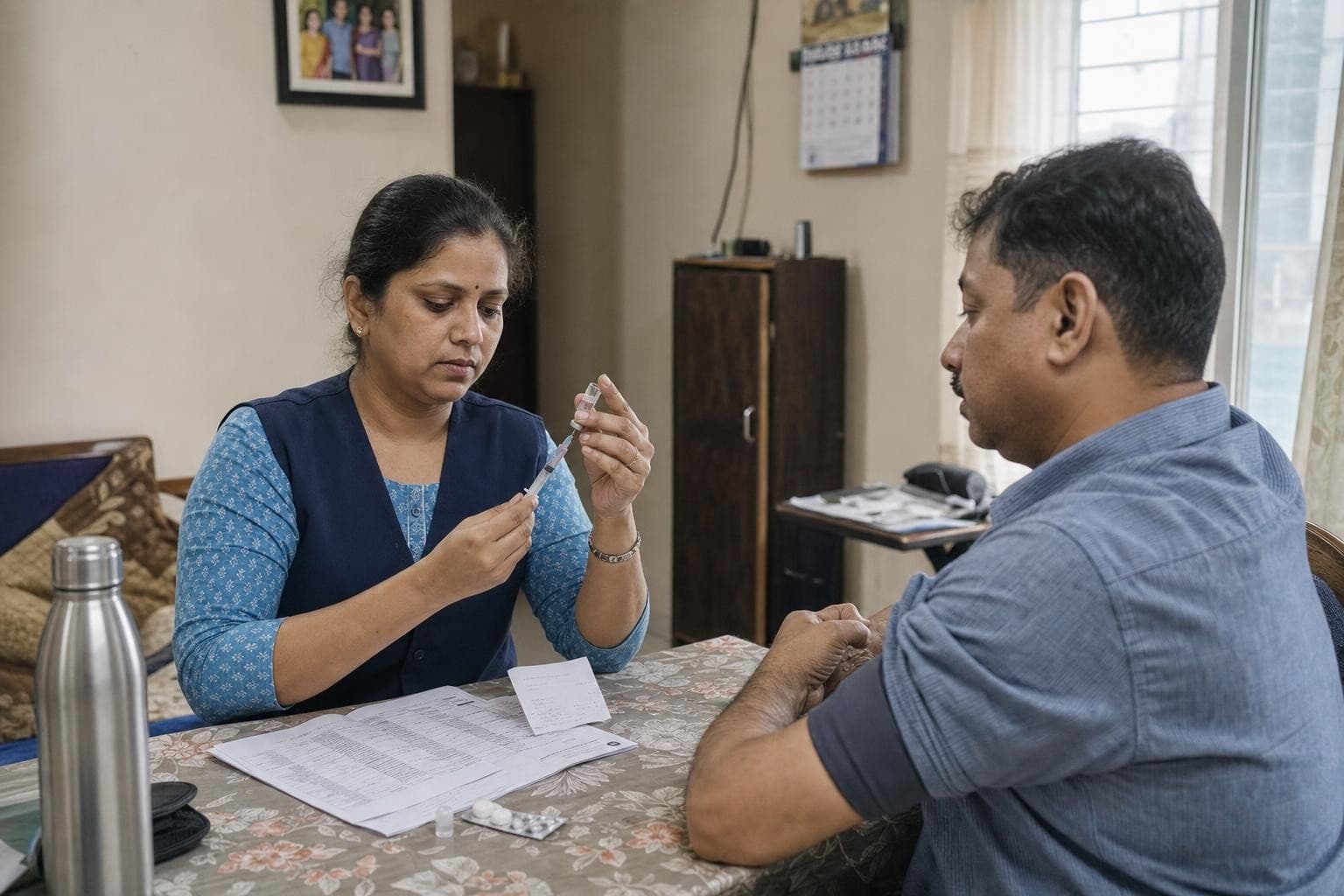
The report comes back and one line is starred. B12 low, or vitamin D so low the lab has flagged it in red. A friend who went through the same thing says the same thing everyone says: skip the tablets, just get a shot, it works faster.
It does work faster. That part is true. What usually gets left out is that the shot is not yours to arrange on the strength of a lab printout. A deficient report is the reason a doctor writes a prescription. It is not the prescription itself, and the difference matters more than it sounds like it should.
The report is not the prescription
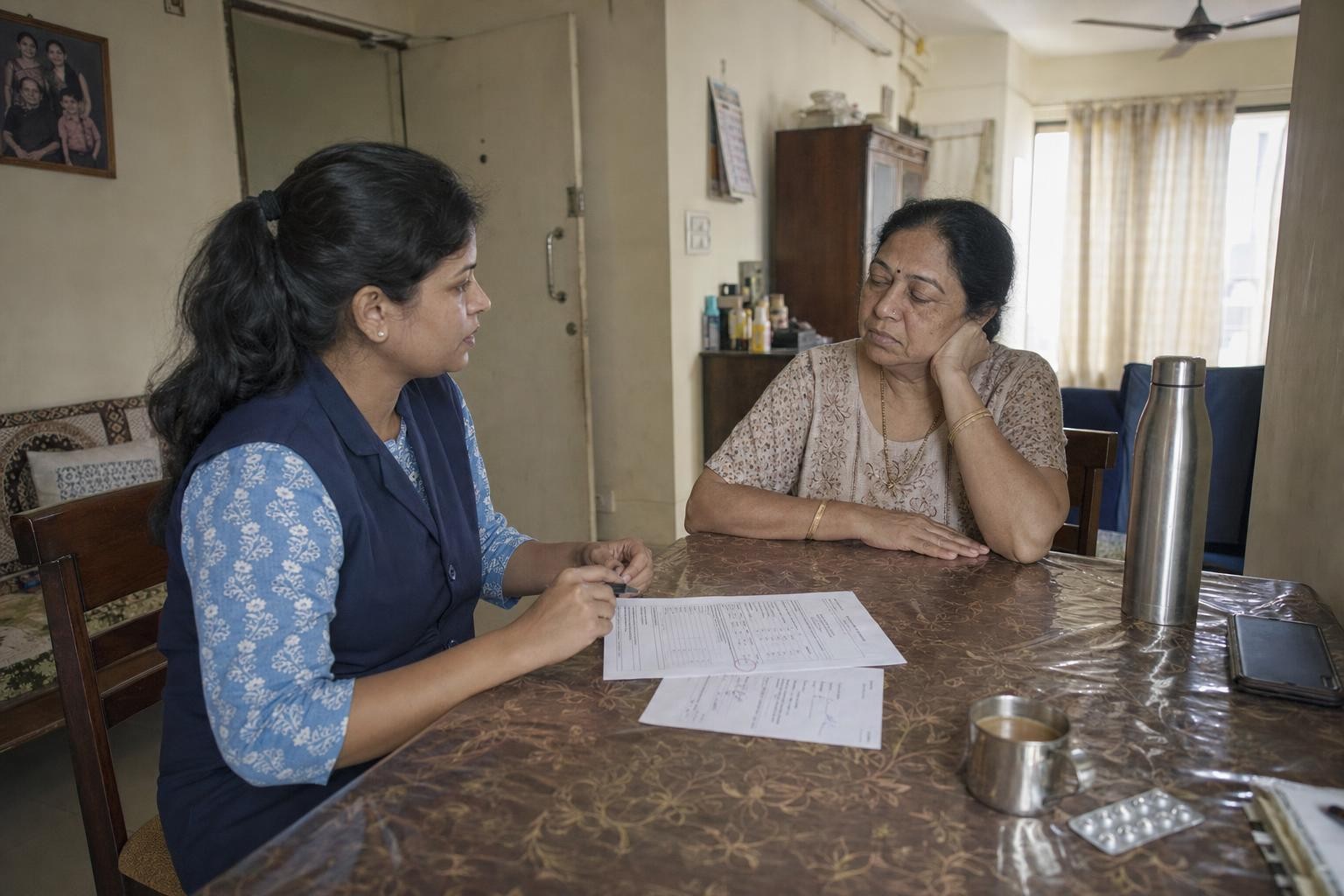
A B12 or vitamin D injection is a prescription medicine everywhere in India, not a wellness product a nurse can bring because a number on a page looks low. The report tells you what the level is. It does not tell you the dose, how many injections, or how far apart they should sit, and those three decisions are a doctor's, not a lab's.
This is not paperwork for its own sake. Vitamin D in particular has a real overdose ceiling, and megadosing to fix a number fast can push calcium up to a level that causes its own problems. B12 is more forgiving, but the interval between doses still depends on how deficient you are and what is causing it, not on how impatient the tiredness has made you. A doctor who has seen your number decides that. A chemist behind a counter has not.
If you already have both a report and a prescription, the path from here is short. If you only have the report, a same-day teleconsultation with a doctor can turn it into one before the nurse arrives, which is usually faster than it sounds and does not need a clinic visit.
What a chemist-counter injection actually risks
Plenty of people still manage it. A chemist who knows the family, an ampoule bought over the counter, a jab given standing in the shop or at home by whoever is willing. It is common enough in Mumbai that it barely registers as unusual. It is also where most of the actual risk in this whole process sits.
Both injections go into muscle, not under the skin, and the site matters. Given too low in the arm or in the wrong quadrant of the buttock, a needle can sit close enough to a major nerve to cause pain, numbness or weakness that outlasts the soreness by weeks. Depth matters too. Too shallow and the dose sits in fat instead of muscle, which changes how it absorbs. There is no one checking the ampoule against a prescription, no one watching for a reaction in the minutes after, and no sealed container taking the used needle back out of the house. It usually goes fine. When it does not, nobody was there for the part that would have caught it.
None of this is really about training. A trained nurse who follows the same steps every time is what separates a jab given carelessly from one given properly, and that is a routine, not a skill you either have or don't.
What the visit at home looks like
At home, the sequence is the same one that would happen in a clinic, minus the travel.
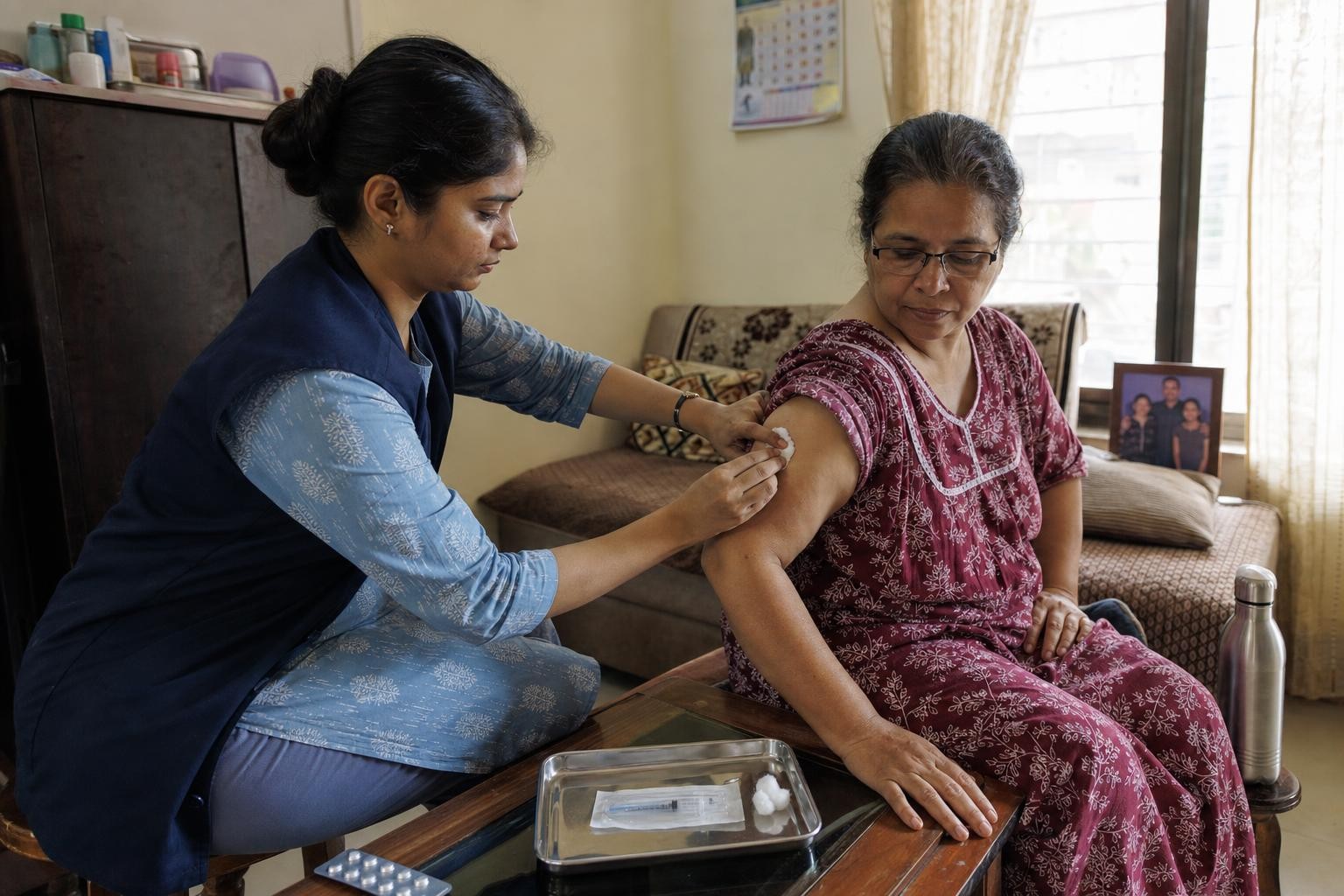
The nurse checks the prescription against your ID and confirms the medicine, the dose and the injection site before opening anything. Vitamin B12 usually goes into the upper arm; Vitamin D is often given into the outer thigh or the buttock, depending on the volume. Either way it is an intramuscular injection, and the shot itself takes seconds. What takes longer is everything around it: swabbing the site, drawing up the correct dose from the ampoule, a short wait afterwards to see how you're doing, and the used needle going straight into a sharps container that leaves with the nurse.
You can keep the ampoule your own pharmacy sold you ready at home, or ask the Care Team to source it, in which case it's billed on top of the visit. Either way works, but say which one on the call, because it decides what the nurse carries. Soreness at the injection site for a day afterwards is ordinary. A fever, spreading redness, or swelling that gets worse instead of better over the following two days is not, and is the point at which you call your doctor rather than waiting it out.
How often, and who decides
This is the part families get most anxious about, and it has one honest answer: it depends, and it is not yours to guess.
Some people need a single dose to bring a mild deficiency back into range. Others are prescribed a weekly course of B12 that tapers to monthly, or a run of weekly vitamin D ampoules over a couple of months, depending on how low the starting number was. A repeat blood test, not a fixed calendar, is usually what tells the doctor whether the course is working or needs adjusting. If your doctor has already set out a full course, it can be booked in one go so the visits are already on the calendar and nobody is scrambling to arrange the next one on the day it's due.
What a home visit does not include is a doctor's consultation or the decision about dose and timing. The nurse administers exactly what the prescription says, every time, and flags anything on the ampoule or the dose that does not match it. If you are still waiting on the blood test that would tell you whether you're truly deficient, a blood test at home in Mumbai is usually the step that comes before any of this, not after.
The visit itself is a standard part of Healkin's injection at home in Mumbai service, and covers the nurse's time, the sterile kit and the sharps disposal. The ampoule, when the Care Team sources it, is billed separately, since that price depends on the brand and dose your doctor has written down.
Questions families ask
I have a blood report showing I'm deficient. Isn't that enough to book the injection?
No. The report is the reason a doctor prescribes the injection, not the prescription itself. If you don't have one yet, a teleconsultation with a doctor can usually turn the report into a valid prescription the same day.
Can I take a vitamin D injection instead of the tablets my doctor already prescribed?
Only if your doctor changes the prescription to say so. Tablets and injections aren't interchangeable at your own discretion. Some people are switched to an injection because tablets haven't moved the number, but that decision belongs to the doctor who is tracking your levels.
Does the injection hurt more than a regular vaccine shot?
It's a normal intramuscular injection, similar to any vaccine you've had before. The needle goes in for a couple of seconds. Soreness at the site for about a day afterwards is normal and settles on its own.
Can both B12 and vitamin D be given in the same visit?
Yes, if both are prescribed. They're two separate intramuscular injections, usually given in different sites, but one nurse can give both in a single visit rather than you booking two.
How soon after the blood test can the injection actually happen?
Once you have a valid prescription in hand, a same-day home visit is usually possible in Mumbai. The gap is almost always the prescription, not the nurse's availability.
What if I've been getting these shots from a chemist for years without an issue?
Nothing may have gone wrong yet, and for plenty of people, nothing does. That isn't the same as it being safe practice. A wrongly placed intramuscular injection can injure a nerve regardless of how many times the same thing has gone fine before.
Healkin facilitates care at home and does not diagnose, prescribe, or change a doctor's treatment plan. If you notice fever, spreading redness, or swelling at the injection site, or any symptom that concerns you, call your own doctor rather than waiting for the next scheduled visit.