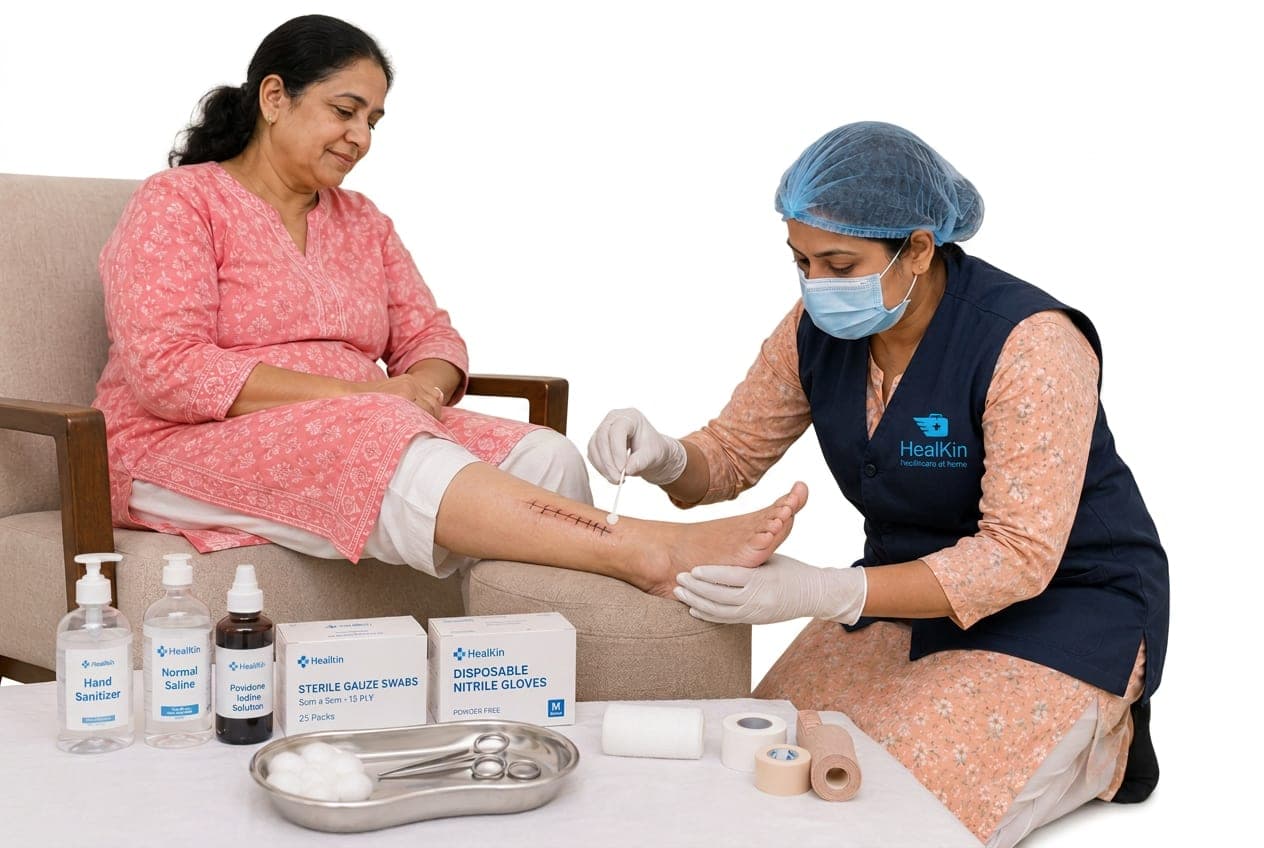
Ward Boy, Aaya & Nurse Attendant at Home in Mumbai: What Families Should Know
Need a ward boy, aaya or nurse attendant at home in Mumbai? Learn about daily care support, shift planning, safety and preparing your home.

When someone at home is unwell, the practical work can begin before the family has had time to adjust. A parent may need help getting out of bed, an older relative may feel unsteady while walking, or a patient may need support with bathing, changing clothes and staying comfortable through the day. Family members want to help, but work, children and other responsibilities can make it difficult to be available every hour.
That is why families search for a ward boy, aaya or nurse attendant at home in Mumbai. These terms are often used for bedside assistance, but the actual duties should be agreed before care begins. A clear plan helps the patient maintain dignity, gives the family a more predictable routine and makes it easier to identify when a qualified nurse or doctor is needed.
This guide focuses on what to plan for a home-care shift, what information to share with an attendant and how to create a safer, more comfortable routine.
What Does a Ward Boy, Aaya or Nurse Attendant Do at Home?
The words ward boy, aaya, patient attendant and nurse attendant are commonly used by families looking for hands-on, non-clinical support. Duties vary by provider, experience, patient needs and the agreed care plan, so do not assume every attendant performs the same tasks.
Depending on the arrangement, bedside support may include:
Helping the patient with washing, grooming, dressing and personal hygiene while respecting privacy.
Assisting with safe movement, such as sitting up, standing or walking, when appropriate to the patient's abilities and care instructions.
Helping the patient change position in bed, with guidance where needed to reduce discomfort and pressure.
Keeping frequently used items such as water, tissues, call bell or phone—within reach.
Supporting mealtimes and hydration according to the family's instructions and any medical or swallowing guidance.
Keeping the immediate bedside area tidy and alerting the family when supplies are running low.
Providing companionship and informing the family about relevant changes in comfort, appetite, mobility or behaviour.
These tasks should be matched to the patient's condition. An attendant should not be expected to perform injections, administer IV medication, manage complex wounds, insert or remove medical devices, or make clinical decisions unless the task is within their verified professional qualification and authorised scope. When clinical care is required, arrange an appropriately qualified nurse and follow the treating clinician's instructions.
Plan the Shift Around the Patient's Actual Day
A useful care plan is built around the person's routine rather than a generic checklist. Before the first shift, write down the times when the patient usually wakes, eats, takes prescribed medicines, rests and needs assistance moving. Share any mobility restrictions, fall risks, communication needs and instructions from the treating healthcare professional.
For example, a morning routine may involve helping the patient wash and dress, preparing the bedside area, supporting breakfast and assisting with a short walk if it is safe and approved. An afternoon routine may focus on comfort, meals, repositioning as advised and companionship. An overnight shift may require agreed checks and help when the patient needs the bathroom but the expected frequency of checks and response plan should be discussed in advance.
Avoid vague instructions such as “keep an eye on Dad.” Specify what support is needed, what the attendant should report, and whom to contact if something changes.
Prepare the Home Before the Attendant Arrives
Small adjustments can make a home-care shift easier and reduce avoidable hazards. The room does not need to look like a hospital; it needs to be organised around the patient's abilities.
Keep the route between the bed, bathroom and usual sitting area clear of loose rugs, wires and clutter.
Place essential items within reach and ensure lighting is adequate, especially at night.
Keep walking aids, a wheelchair or other equipment available if recommended and appropriate for the patient.
Prepare clean towels, spare clothing, hygiene supplies and bedding in a known location.
Share emergency contacts, the treating doctor's details and relevant care instructions in writing.
Explain any building access, lift, parking or security arrangements that could affect arrival or emergency access.
If the patient has a high risk of falling, needs two people for transfers, has swallowing difficulties or cannot reliably communicate discomfort, tell the provider before booking. These details may change the type of support required.
Dignity, Consent and Communication Matter
Personal care can feel unfamiliar or uncomfortable when someone new enters the home. Introduce the attendant, explain the routine to the patient and ask for consent before personal-care tasks. Whenever possible, let the patient make choices about clothing, timing and how they prefer to be assisted.
Families should also explain cultural, language or privacy preferences respectfully. Keep conversations about the patient's health discreet, and agree who may receive updates. An attendant should be able to raise concerns without being asked to diagnose the problem.
A calm handover at the start of a shift is valuable. Mention changes since the previous visit, what the patient has already eaten, any mobility issues noticed and any instructions that have changed. At the end, ask for a short factual update rather than relying on assumptions.
What Should Be Included in a Shift Handover?
A written handover reduces the chance that important everyday details get lost between family members or shifts. It does not replace medical records or professional monitoring; it is a practical communication tool.
The patient's comfort, mood and general condition compared with the start of the shift.
Meals and fluids taken, where recording this is part of the agreed plan.
Mobility assistance provided and any near-falls or difficulties.
Personal-care tasks completed and supplies that need replenishing.
Any new or worsening concern that was reported to the family or healthcare professional.
Appointments, instructions or changes the next attendant should know about.
Agree in advance how urgent concerns will be escalated. If the patient develops severe breathing difficulty, chest pain, sudden confusion, signs of stroke, heavy bleeding or becomes unresponsive, seek emergency medical help immediately rather than waiting for the next handover.
When Is Bedside Assistance Not Enough?
Some patients mainly need help with everyday activities. Others need clinical care, close medical monitoring or rehabilitation. A ward boy or aaya should not be used as a substitute for a qualified nurse when the care plan requires nursing skills.
Ask the treating doctor or care coordinator whether the patient needs a nurse, a physiotherapist, a doctor visit or another service. Clinical needs may include prescribed injections, complex wound dressing, catheter-related procedures or other tasks that require appropriate training and authorisation.
If the patient's condition changes, reassess the care plan instead of simply adding more duties to an attendant's shift. Home support is appropriate only when the patient's needs can be managed safely in that setting.
How to Choose a Ward Boy, Aaya or Nurse Attendant in Mumbai
When arranging a ward boy, aaya or nurse attendant at home in Mumbai, ask the service provider practical questions before confirming:
What duties are included in the shift, and which tasks are excluded?
What experience or training does the assigned attendant have for this patient's needs?
How are attendance, replacement requests and late arrivals handled?
Who should the family contact if the patient's needs change during the shift?
How are privacy, consent, identification and feedback handled?
What are the shift timings, charges, cancellation terms and any additional fees?
Describe the patient's needs honestly. Mention whether they can walk independently, need help transferring, require personal hygiene assistance, have memory or communication difficulties, or need clinical procedures. A suitable match depends on these details not just the job title or hourly price.
Bedside Care at Home in Mumbai with Healkin
Healkin offers bedside care support in Mumbai for families seeking assistance with hygiene, mobility and everyday patient needs. The right arrangement depends on the patient's condition, the hours of support required and whether clinical nursing is also needed.
Review the Bedside Care at Home in Mumbai service: https://healkin.com/bedside-care-at-home-mumbai
For broader home healthcare information, visit Healkin: https://healkin.com/. Confirm the exact duties, schedule and suitability of the service before booking.
Conclusion
Finding a ward boy, aaya or nurse attendant at home in Mumbai is not just about filling a shift. It is about agreeing on the right support, preparing the home, respecting the patient's dignity and making sure everyone understands what should happen during the day.
Start with a clear description of the patient's routine and abilities. Put essential instructions in writing, keep communication open and ask for qualified clinical help whenever the care plan goes beyond an attendant's role. With realistic expectations and a well-organised handover, home-based support can become more consistent for the patient and more manageable for the family.
Medical disclaimer:
This article is for general information only and is not a substitute for medical advice. Follow the treating healthcare professional's instructions and seek urgent help for emergencies.
Frequently Asked Questions
What does a ward boy do at home in Mumbai?
Depending on the agreed service, a ward boy may assist with basic bedside needs, safe movement, comfort, hygiene and everyday patient support. Confirm duties with the provider before booking.
What is an aaya service at home?
An aaya commonly provides personal-care and daily-living assistance, such as help with washing, dressing, meals and mobility, based on the patient's needs and the agreed care plan.
Is a nurse attendant the same as a registered nurse?
Not necessarily. Job titles vary, so verify qualifications. Tasks requiring clinical nursing should be provided by an appropriately qualified professional within their authorised scope.
Can I book an attendant for an elderly parent?
Bedside or attendant support may help an older adult who needs assistance with everyday activities. The level of support should match their mobility, cognition and medical needs.
What should I tell the provider before booking?
Explain the patient's condition, mobility, personal-care needs, communication preferences, shift duration, home access and any clinical procedures required.
When should I arrange a qualified nurse instead?
If the care plan involves clinical procedures or nursing assessments, ask the treating clinician and arrange an appropriately qualified nurse rather than expecting an attendant to perform those tasks.